




Ever had sore breasts? It can be a worrying experience that many women go through at some point in their lives. Sore breasts, also known as tender breasts, can have various causes – from hormonal fluctuations to underlying health problems.
In this article we take a closer look at the possible causes, symptoms and treatment options for sore breasts.
Sore breasts can be a source of discomfort and worry for many women. Understanding the possible causes and treatment options can help you manage the symptoms and find more comfort and peace of mind.
What are sore breasts?
Sore breasts refers to a feeling of tenderness, pain or discomfort in the breast area. It's a common symptom that can vary in intensity and duration. Although sore breasts are usually not a serious health problem, they can still affect your quality of life.

Causes of sore breasts
Hormonal fluctuations
Hormonal fluctuations, especially during the menstrual cycle, can cause sore breasts. At certain times of the month, oestrogen and progesterone levels rise, which can lead to tenderness and swelling.
Menstrual cycle
Many women experience sore breasts just before their period. This is often caused by hormonal changes as part of the natural cycle.
Pregnancy
Pregnancy can lead to significant changes in hormone levels and breast tissue, which can cause sore, tender breasts.
Breastfeeding
During breastfeeding, the breasts can swell and become tender. This is a normal response to the stimulation of milk production.
Medication
Certain medications, such as hormonal contraceptives and some antidepressants, can cause sore breasts as a side effect.

Symptoms of sore breasts
Tenderness
Sore breasts can show up as general tenderness, where even light pressure causes discomfort.
Pain
The pain can range from mild to severe and can feel sharp, throbbing or dull.
Swelling
The breasts may swell, making them feel bigger and tighter.
Changes in tissue texture
In some cases, sore breasts can come with changes in skin texture, such as dimpling or lumps.
When should you see a doctor?
In most cases, sore breasts are nothing to worry about. However, if the pain persists, comes with other symptoms such as lumps, or you're unsure, see a doctor.
Diagnosis and examination
To find the cause of sore breasts, a doctor may recommend various examinations.
Physical examination
A physical examination of the breasts can help identify any abnormalities.
Mammogram
A mammogram is an X-ray of the breasts that can reveal structural changes.
Ultrasound
An ultrasound can be used to look at breast tissue in more detail and distinguish between cysts and solid changes in the tissue.
Treating sore breasts
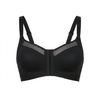
Comfortable bras
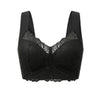
Wearing a well-fitting, supportive bra can help reduce discomfort.
Painkillers
Over-the-counter painkillers such as ibuprofen can provide temporary relief.
Hormone therapy
In some cases, hormone therapy may be considered to regulate hormonal fluctuations.
Dietary changes
Cutting down on caffeine and salt can help reduce breast tenderness.
Natural remedies
Some women find relief from natural methods such as cold compresses or chamomile tea.
Living with sore breasts
Sore breasts are often a temporary phase that usually improves on its own. It's important to look after yourself and have any changes checked by a doctor if needed.
Conclusion
Sore breasts are a common symptom in women and can have various causes – from hormonal fluctuations to pregnancy. Fortunately, there are lots of treatments and self-help measures to relieve discomfort and improve wellbeing.
Frequently asked questions
- Is chest pain always a sign of sore breasts? No. Chest pain can have various causes and should be checked by a doctor if you're unsure.
- Can stress cause sore breasts? Yes, ongoing stress can trigger hormonal fluctuations that contribute to breast pain.
- When should I worry during pregnancy? If you have severe pain, a fever or anything else unusual, contact your doctor or midwife.
- Are there foods I should avoid? Cutting down on caffeine and salt can help. In general, a balanced diet is recommended.
- How long can sore breasts last? Depending on the cause, the symptoms can last from a few days to several weeks.


