






A practical guide to comfort and wellbeing
Welcome to our expert advice on maintaining good breast health and reducing breast tenderness. We understand how uncomfortable and disruptive tender breasts can be, and we're here to help with practical tips and insights. In this article we share our knowledge of breast health and offer valuable suggestions to improve your wellbeing.
Understanding the causes of tender breasts
Hormonal fluctuations
One of the most common causes of tender breasts is hormonal fluctuation. This can happen as a result of your period, pregnancy, menopause or hormone therapy. During these times, the breasts can swell, feel tender and ache. Understanding your hormonal cycle and taking preventive steps can help minimise the discomfort.

Poor bra support
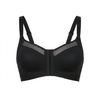
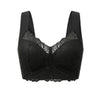
A badly fitting bra can also contribute to tender breasts. Insufficient support can lead to tension in the chest muscles and discomfort. Make sure you wear a well-fitting bra that gives enough support and spreads the pressure evenly. Consider asking a professional to help you find the right bra size.

Eating habits
Your diet can have a big impact on your breast health. Consuming lots of caffeine and fatty foods can increase breast tenderness. On the other hand, foods rich in vitamins, antioxidants and omega-3 fatty acids can support breast health. A balanced diet can have a positive effect on breast tenderness.
Tips for reducing breast tenderness
1. Wear the right bra size
Invest in high-quality bras that give you the right support and fit comfortably. A well-fitting sports bra can be especially helpful during physical activity.

2. Manage stress
Stress can contribute to tender breasts. Learn stress-reducing techniques such as meditation, deep breathing and yoga to improve your overall wellbeing.
3. A healthy diet
Choose a diet rich in vegetables, fruit, lean protein and healthy fats. Cut down on caffeine and processed foods.
4. Physical activity
Regular exercise can improve circulation and support breast health. Consider daily walks, aerobics or swimming.

5. Natural remedies
Some herbs, such as ginger and turmeric, are known for their anti-inflammatory properties. Consult a doctor before using natural supplements.
Conclusion
Maintaining good breast health and reducing breast tenderness takes a holistic approach. By making conscious choices about diet, exercise and stress management, you can improve your overall wellbeing and reduce discomfort.
Remember that everyone is unique, so it may take some time to find the right combination of strategies. Always consult a healthcare professional for personal advice, and keep a close eye on your breast health.


