
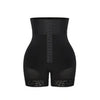
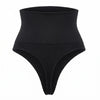

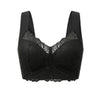
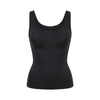
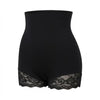



We often get the same question: "Can I wear a waist trainer while I exercise?" Understandable! Waist trainers are known for accentuating your shape and often give you a little extra confidence. But is it really a good idea – or even risky – to wear one during a workout? We explain everything you need to know, clearly, honestly and simply – just like we do with our products. And of course, if you want to give it a try, we're here for you.
What does a waist trainer actually do?
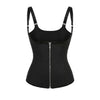
A waist trainer is a tight, stretchy band you wear around your waist. It's usually made from sturdy materials such as latex, with hooks, a zip or Velcro so it fits properly. It's designed to shape your waist, support your back and create that famous hourglass silhouette so many people love.
When worn regularly, some people say their posture improves and they feel more confident in their clothes. But what happens when you wear one while you exercise?

The benefits of a waist trainer during exercise
There are several reasons people wear a waist trainer while they work out – and some of them make good sense!
Better posture
A waist trainer helps keep your back straight and makes you more aware of your tummy muscles. That can help you keep good form during exercises such as squats or weightlifting.
More sweating around your tummy
Because it's tight-fitting, a waist trainer traps heat, so you sweat more around your tummy. That can make you feel like you're working harder – but beware: sweating doesn't automatically mean burning fat; it's simply your body's natural way of cooling down.
Extra motivation
Lots of people feel more confident thanks to the instantly slimmer-looking waist. That little motivation boost can help you keep going and feel good during your workout.

The drawbacks of a waist trainer during exercise
Although a waist trainer can be useful during exercise, it's important to know the possible drawbacks.
Breathing is harder
Waist trainers are deliberately tight. If yours is too tight, it can make deep breathing harder. That makes exercise uncomfortable or even unsafe.
Your tummy muscles work less
When you wear a waist trainer, your tummy muscles don't have to work as hard to support your body. That sounds handy, but it's counterproductive if you want to strengthen your muscles.
Risk of overheating
Because heat is trapped around your tummy, your body temperature can rise. That's not a problem during light workouts, but during intense sessions it can lead to overheating or dehydration.
When is it safe to wear a waist trainer while you exercise?
Light exercise such as walking, stretching or light weightlifting is fine. Make sure your waist trainer isn't too tight and you can breathe freely. We don't recommend it for intense workouts such as running, HIIT or cardio – your body needs freedom of movement and room to breathe. Never wear a waist trainer for more than two hours during exercise, and take a break if you feel uncomfortable.
What we at Shapetape think about waist trainers
At Shapetape it's all about helping you feel good and safe. Our waist trainers are made from high-quality, flexible, breathable materials. They support without squeezing. Different levels of support, from medium to strong, give you the right support for every need. Some styles even have a sweat band for extra warmth during light workouts. And of course there are latex-free options for sensitive skin.
Why Shapetape?
We focus on comfort, quality and results. With one of our waist trainers, you're part of a community that celebrates confidence and strength. Fast delivery, easy returns and our customer service are always there to help you choose the right size and fit.
Conclusion
So: a waist trainer while you exercise? For light exercise it can make sense; for intense workouts, not so much. Use it safely, don't overdo it and use it with purpose. Shapetape helps you feel good – your way. Take a look at our waist trainer collection and find your perfect fit.


